Introduction
Artificial Grass of Kingwood installs turf in Crosby, TX with San Jacinto River watershed drainage planning and heavy east Harris County clay base preparation matched to Crosby's post-Harvey drainage history.
Loading content...
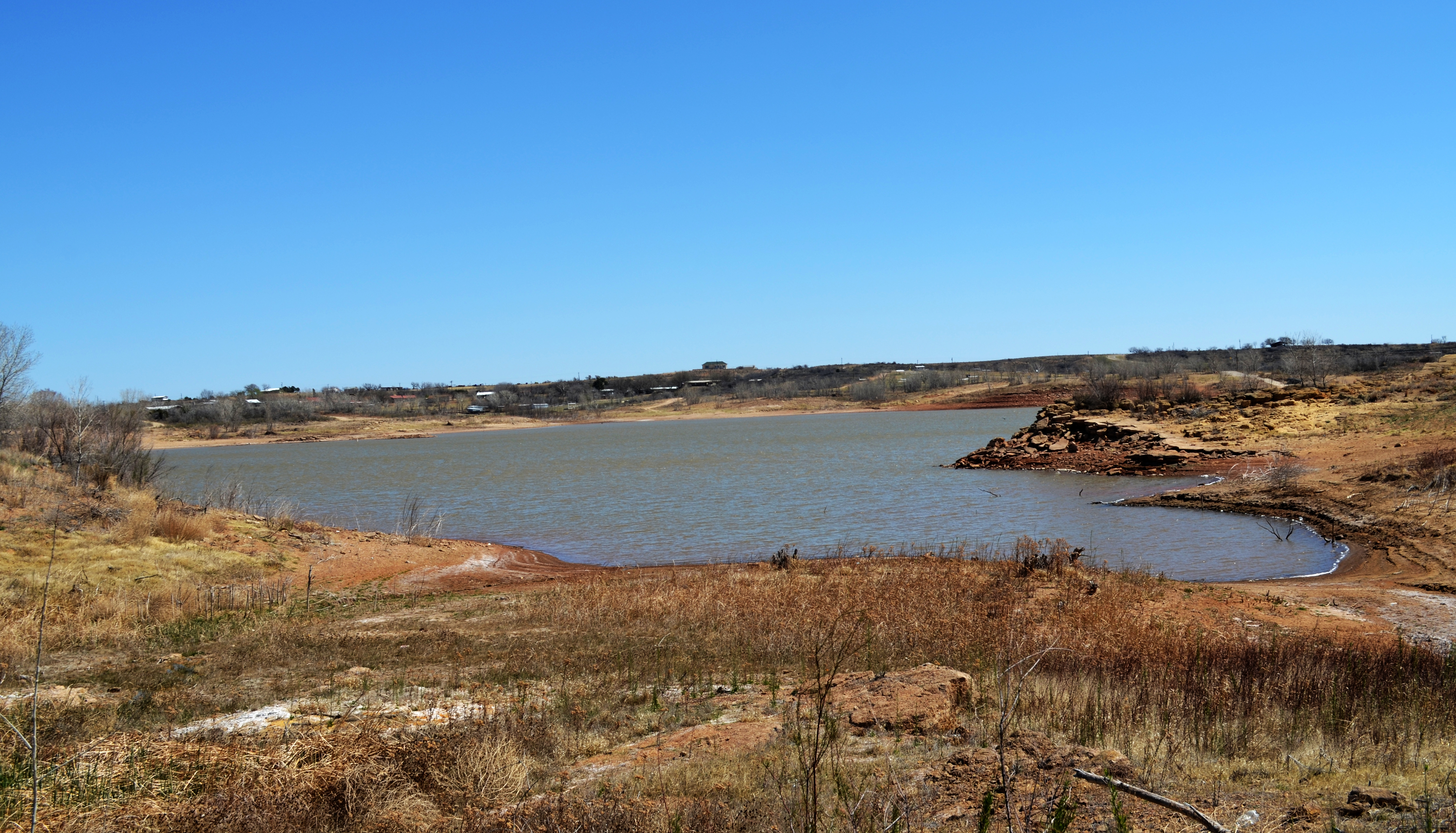
East Harris County clay country — turf built for Crosby's drainage challenges and rural residential lots.
Crosby occupies the east Harris County corridor where the suburban Houston footprint gives way to larger rural residential lots, heavy Gulf Coast clay profiles, and drainage patterns that connect directly to the San Jacinto River and Galveston Bay watershed. This location means Crosby properties carry a specific post-Harvey legacy: many homes in Crosby experienced flooding in 2017 that was directly tied to how the San Jacinto River corridor handled upstream water volume, and homeowners here have a different relationship with yard drainage than those in communities that did not experience that event firsthand. Artificial Grass of Kingwood's approach to Crosby installations starts with a watershed position assessment for each parcel. Properties in low-lying sections of Crosby near the river corridor have different drainage engineering requirements than properties on higher ground along the county roads north of town. In flood-adjacent sections, we design turf installations that function as sheet-drainage-compatible surfaces rather than water-retention surfaces — meaning the base is designed to pass water through quickly and direct it toward established drainage outlets rather than holding it in the base aggregate during flood events. Crosby's east Harris County clay is among the heaviest in our service area. The shrink-swell behavior is pronounced: after a major Gulf Coast rain event, yards in Crosby can be saturated for several days, followed by periods of cracking and surface hardening that make any base movement visible if the underlying system was not prepared to accommodate it. Our base preparation for Crosby properties uses a compaction protocol designed for this specific clay behavior, with aggregate sizing and compaction density calibrated to allow the base to flex predictably rather than transferring clay-movement stress to the turf surface above. Rural residential properties in Crosby also tend to have more extensive natural vegetation in the yard margins — native brush, volunteer oaks, and the occasional persimmon or yaupon understory that reflects the East Texas transition environment. We inventory those margins before installation to identify any root systems that could intersect the base perimeter within five to ten years as the trees mature.
Artificial Grass of Kingwood installs turf in Crosby, TX with San Jacinto River watershed drainage planning and heavy east Harris County clay base preparation matched to Crosby's post-Harvey drainage history.
Post-Harvey flooding legacy near the San Jacinto River corridor, the heaviest clay shrink-swell behavior in our service area, rural residential lot sizes with natural vegetation margins, and extended saturation periods after major Gulf Coast rain events.
Watershed position assessment for each parcel, sheet-drainage-compatible base design in flood-adjacent sections, heavy-clay compaction protocol with flexible aggregate sizing, and margin vegetation root inventory before installation.
A turf surface that passes water through quickly during flood-pattern rain events, a base that moves predictably with east Harris County clay cycles, and a finished yard that stays usable through Crosby's wet season.
Watershed position assessment, drainage engineering design, base aggregate sizing for clay profile, root inventory at vegetation margins, base preparation, turf layout, infill, drainage validation, and post-install briefing.
Crosby installations are scheduled from our Kingwood base on an east Harris County route that also covers Huffman and connects to the Lake Houston corridor.
Crosby's mix of rural residential lots and community properties in a post-Harvey drainage environment requires careful site-specific planning before any installation work begins.
Larger lots in Crosby's rural sections where natural grass has failed in clay-heavy, shade-challenged, or drainage-compromised conditions.
Homes in lower-lying Crosby sections near the San Jacinto River corridor where post-Harvey drainage planning is an installation prerequisite.
Crosby community facilities and commercial properties that need durable professional-grade turf with drainage performance matched to east Harris County conditions.
San Jacinto River watershed position, east Harris County heavy clay, and rural lot vegetation margins create Crosby's distinctive installation planning requirements.
Low-lying Crosby properties near the river corridor require drainage engineering that prioritizes rapid water passage through the base rather than base-level retention during flood events.
Crosby clay has among the highest shrink-swell indices in our service area. Base preparation uses aggregate sizing and compaction density calibrated to allow controlled movement without transmitting stress to the surface.
Rural Crosby lots often have native brush and volunteer trees in the yard margins. We inventory those margins before installation to identify root systems that could intersect the base perimeter as the trees mature.
Crosby's client base is primarily rural residential homeowners dealing with clay-soil drainage problems and post-Harvey drainage awareness.
Property owners on Crosby's larger lots who want a durable yard surface that handles east Harris County clay conditions and stays usable through Gulf Coast wet seasons.
Crosby homeowners who experienced 2017 flooding and want a yard surface that does not retain water and contributes to faster surface drainage during major rain events.
Crosby community organizations and facilities that need professional-grade turf surfaces with drainage performance appropriate for east Harris County conditions.
Crosby residential installations typically run two to three days for standard residential lots and three to four days for larger rural properties. We conduct a watershed position assessment and clay-profile evaluation before scheduling. Rural properties with vegetation margin root inventories may require an additional planning visit before the installation date is confirmed.
Artificial Grass of Kingwood serves Crosby, TX and the east Harris County corridor including Huffman, Kingwood, Humble, and the Lake Houston watershed area.
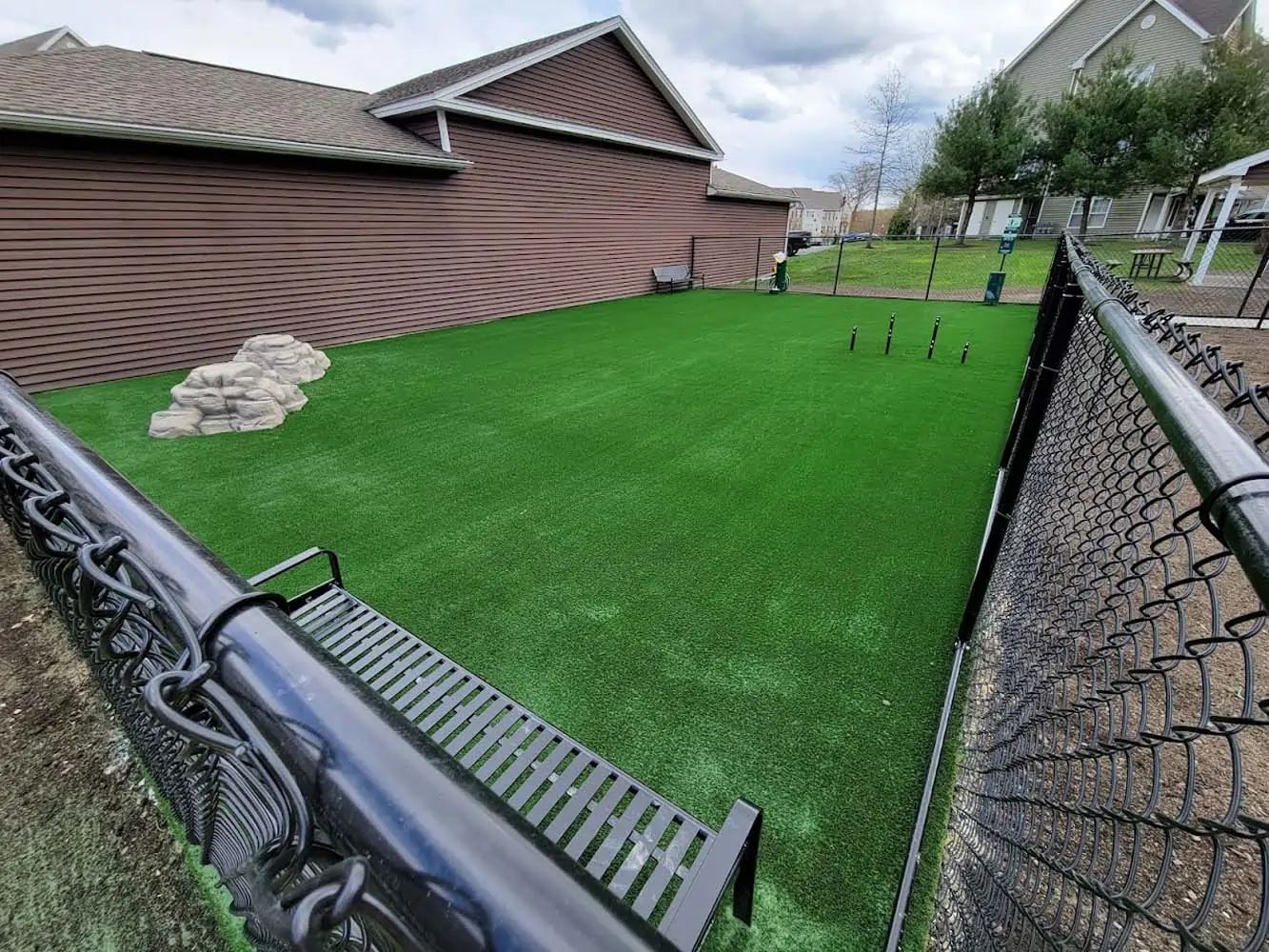
Full-property turf in Crosby with San Jacinto watershed drainage planning and east Harris County heavy-clay base preparation.
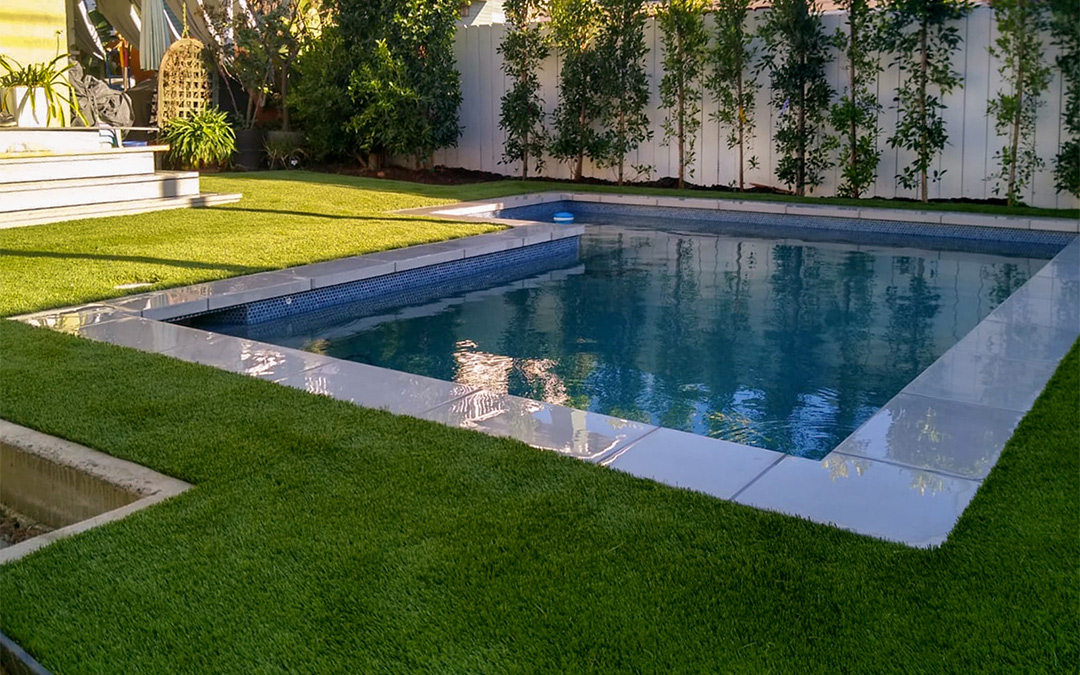
Rural residential turf for Crosby homes with clay-soil base management and flood-zone drainage engineering.
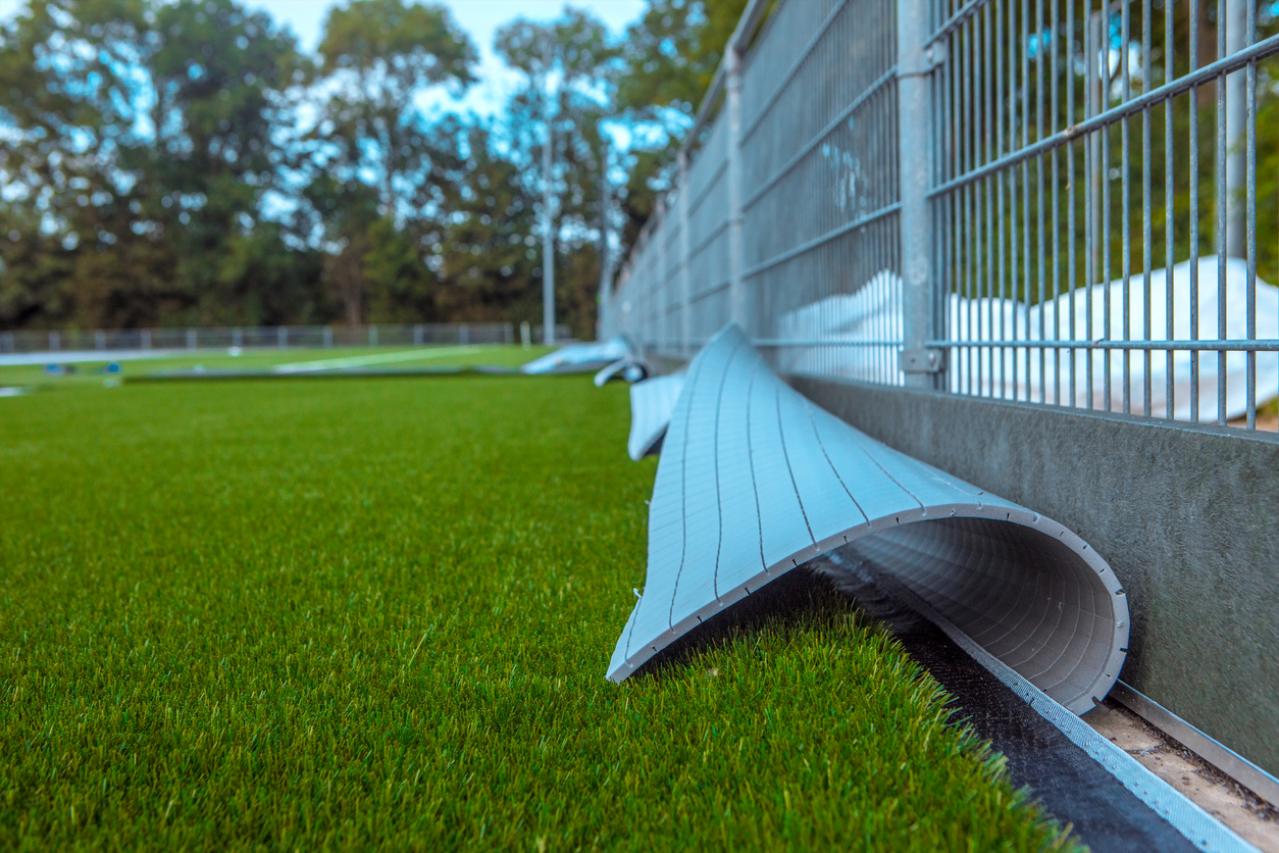
Commercial turf for Crosby business properties requiring professional installation in east Harris County soil conditions.

Pet turf for Crosby residential yards with drainage-forward base for east Harris County clay profiles.
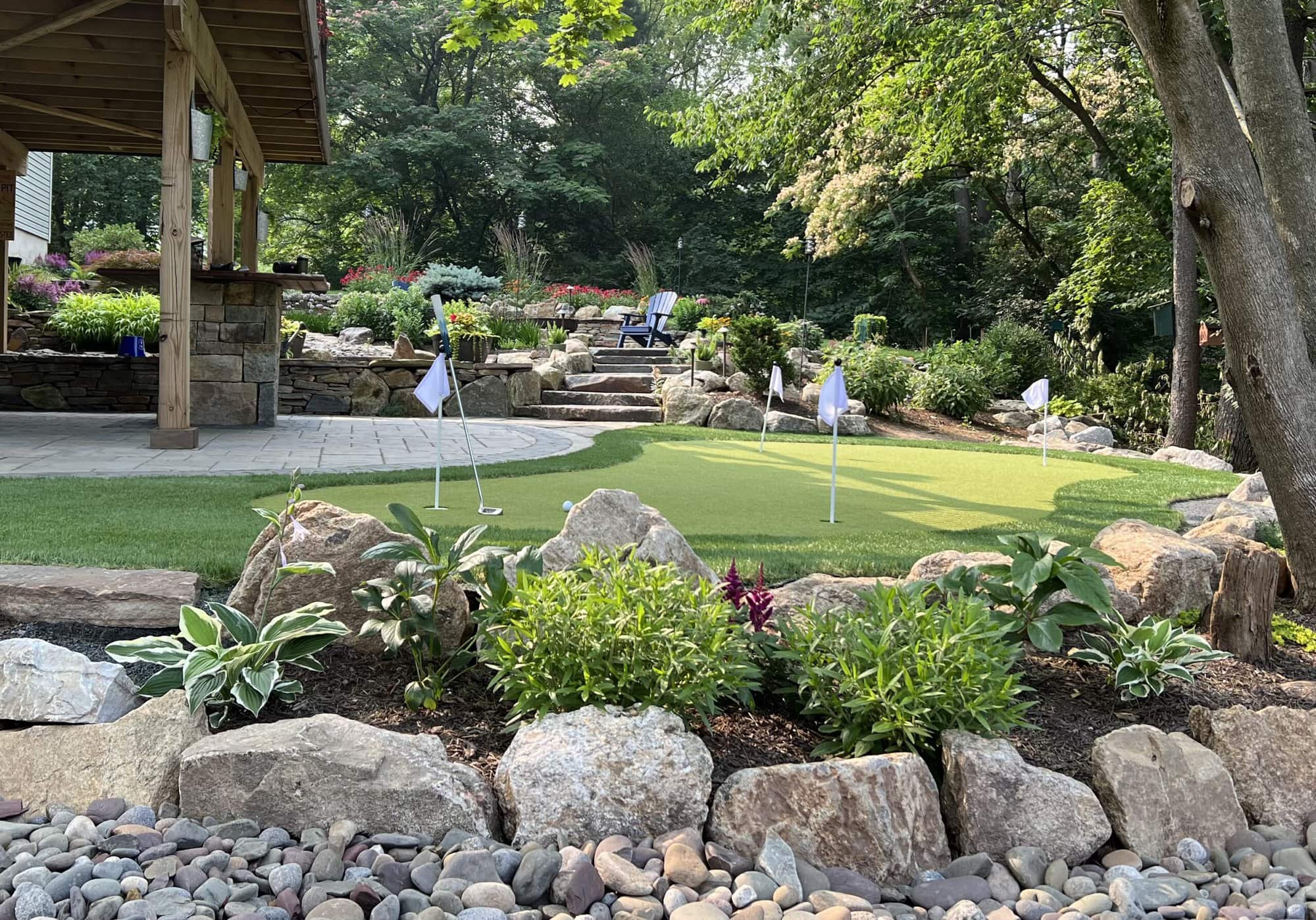
Custom backyard putting greens for Crosby residential properties with clay-profile base preparation.
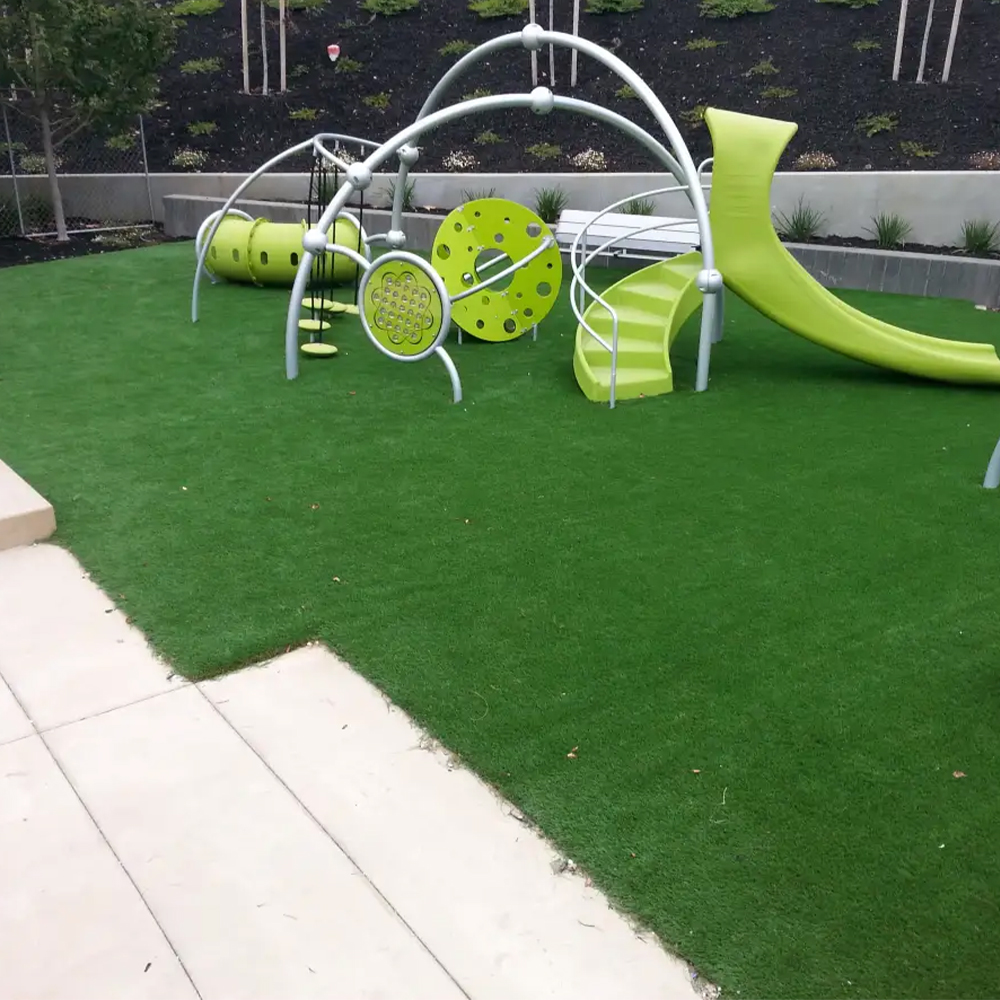
Safety-rated playground turf for Crosby schools and community recreation facilities.
We treat the base as a pass-through system for flood-adjacent properties rather than a retention system. Base aggregate sizing and drainage outlet design are calibrated so that water entering the base during major rain events moves out through the outlets rather than saturating and holding at base level.
East Harris County clay has a high shrink-swell index — it expands significantly when wet and contracts sharply when dry. We use aggregate sizing and compaction density that allows the base to flex with that cycle rather than cracking or buckling under the differential movement.
Yes. We work on properties of half an acre and larger in the Crosby rural corridor. Larger lots require more time for root inventory, drainage mapping, and base preparation — we confirm scope and timeline during the site walk.
A properly installed turf system with a permeable base handles major rain events by passing water through quickly and directing it toward drainage outlets. The turf fiber itself drains faster than natural grass and does not create mud. After the rain event, the surface dries and returns to normal use faster than a natural lawn.
Two to three days for standard residential lots. Three to four days for larger rural properties or those requiring significant vegetation margin root inventory. We confirm the timeline at the site walk after drainage assessment.
Send project details and timeline information to get route scheduling options for this location.
Call