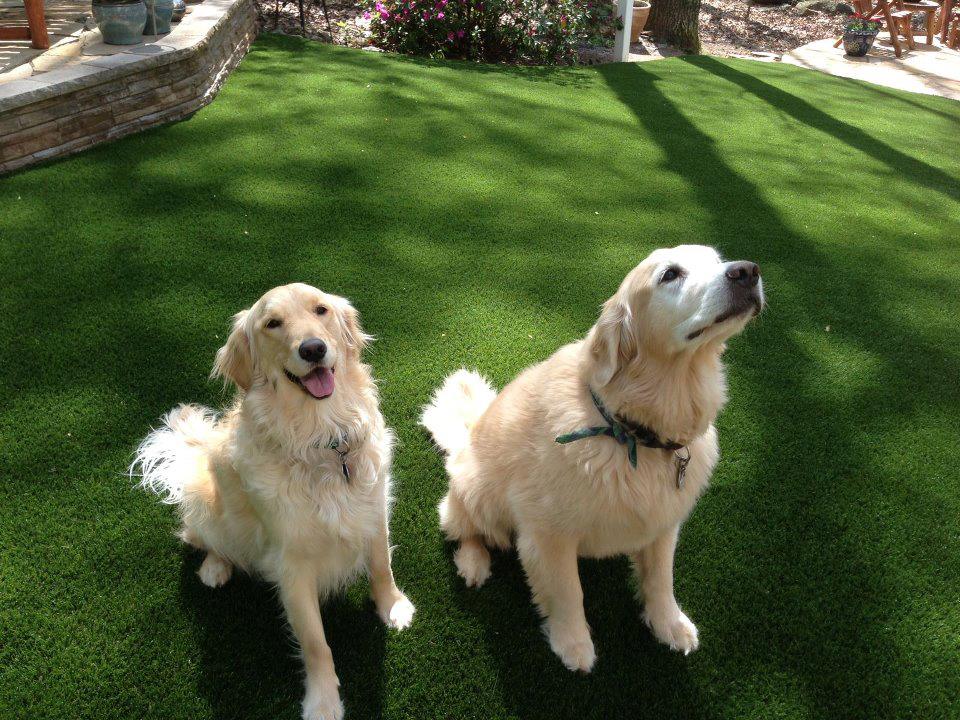
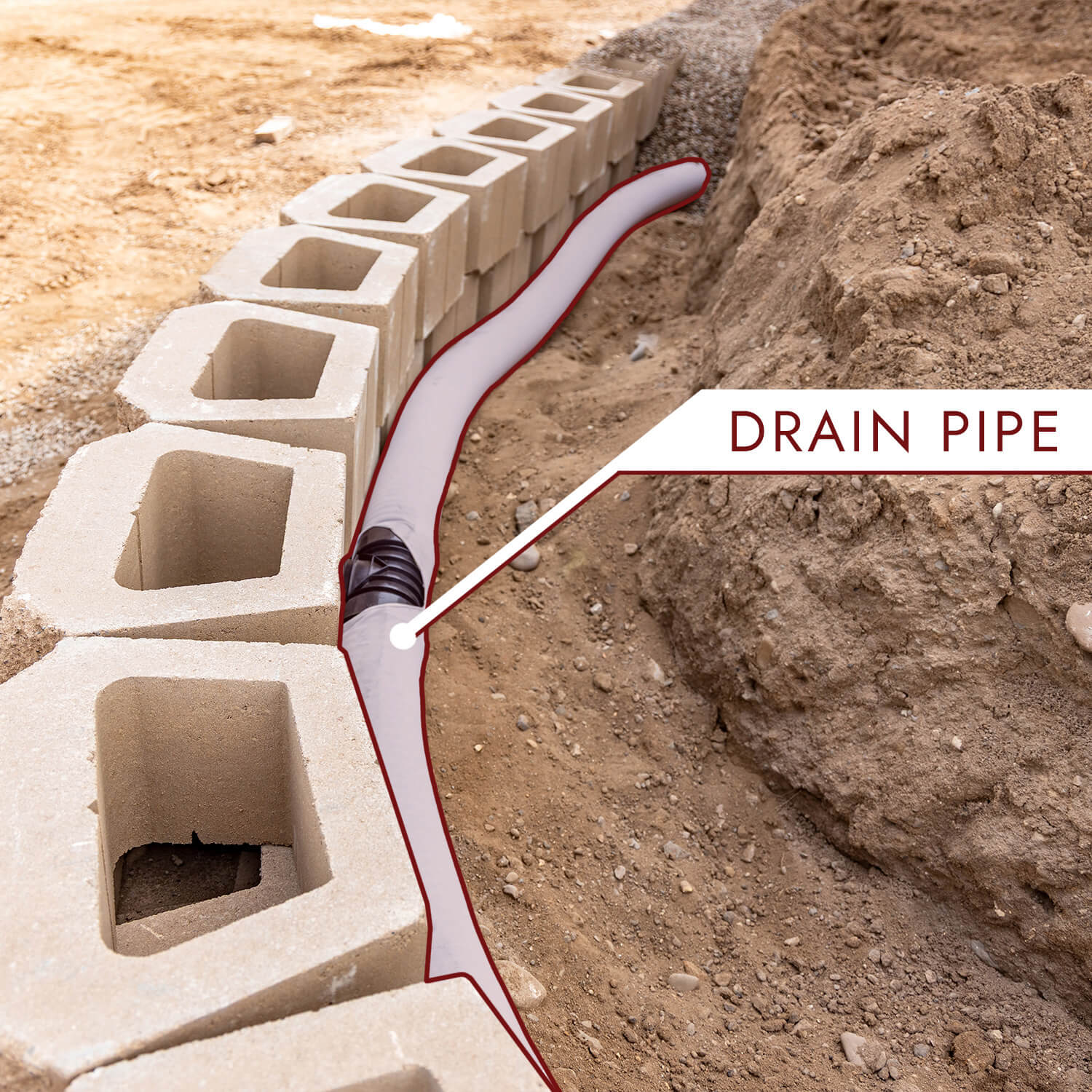
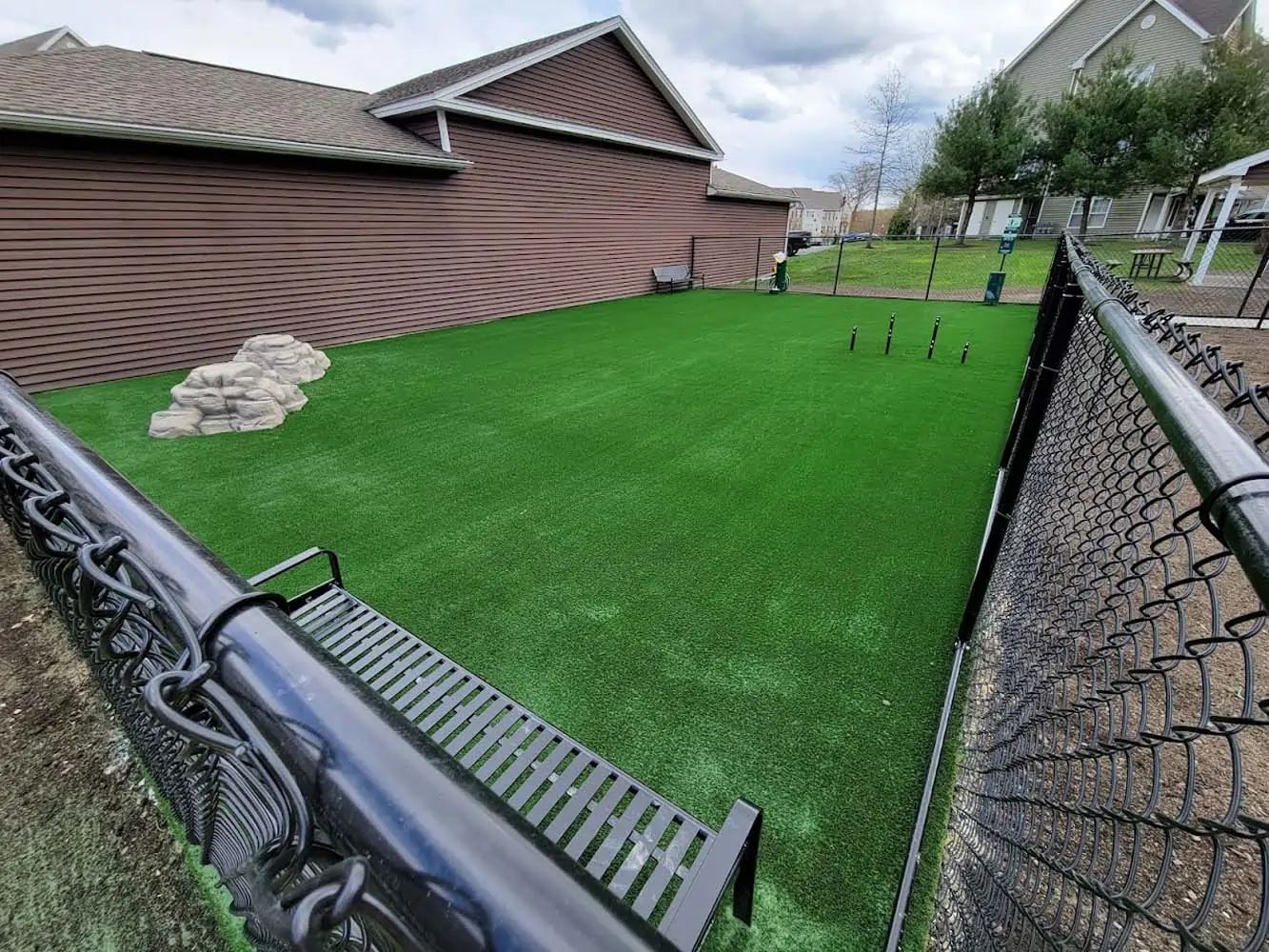
Pet Turf Installation in Kingwood and the northeast Houston corridor addresses a specific and recurring outdoor living problem: Beaumont clay plus Gulf Coast rainfall plus large dogs equals a yard that spends half the year as a mud pit that tracks through the house, holds standing water that breeds mosquitoes, and smells like a kennel after extended dry periods bake the accumulated waste into the soil surface. Artificial Grass of Kingwood has installed more pet yards in this market than any other turf application, because the problem is widespread and the natural-grass alternatives have all been tried and failed. The key to a pet turf installation that actually solves the problem — and does not create new ones — is drainage engineering first, product selection second, and infill chemistry third. Most pet turf failures in the northeast Houston market come from installations where drainage was not the primary design variable. A turf system installed on top of poorly drained clay without a properly designed base and drainage outlets simply converts the mud problem to an odor problem: liquid waste drains through the turf but pools on top of the clay beneath, creating an anaerobic environment that generates hydrogen sulfide and other odor compounds. The solution is a base system where the clay is fully removed to a depth that allows a crushed-aggregate layer thick enough to hold and pass drainage effectively, with outlets that carry the drainage away from the yard. Our standard pet turf base in the Kingwood market is deeper than what many competitors use in this region — we go deeper because the Beaumont clay demands it. Product selection for pet applications focuses on fiber durability, drainage flow rate between the fiber blades, and the ease of rinsing the surface after use. We specify products with open-weave backing that dramatically increases drainage flow rate compared to standard closed-weave backing. Infill for pet yards is thermoplastic polyolefin rather than crumb rubber. TPO does not support bacterial growth the way organic infill can, does not retain moisture at the surface the way fine crumb rubber does, and does not generate the heat accumulation that dark rubber infill creates in full-sun areas — which is relevant for dogs that spend time in the yard.