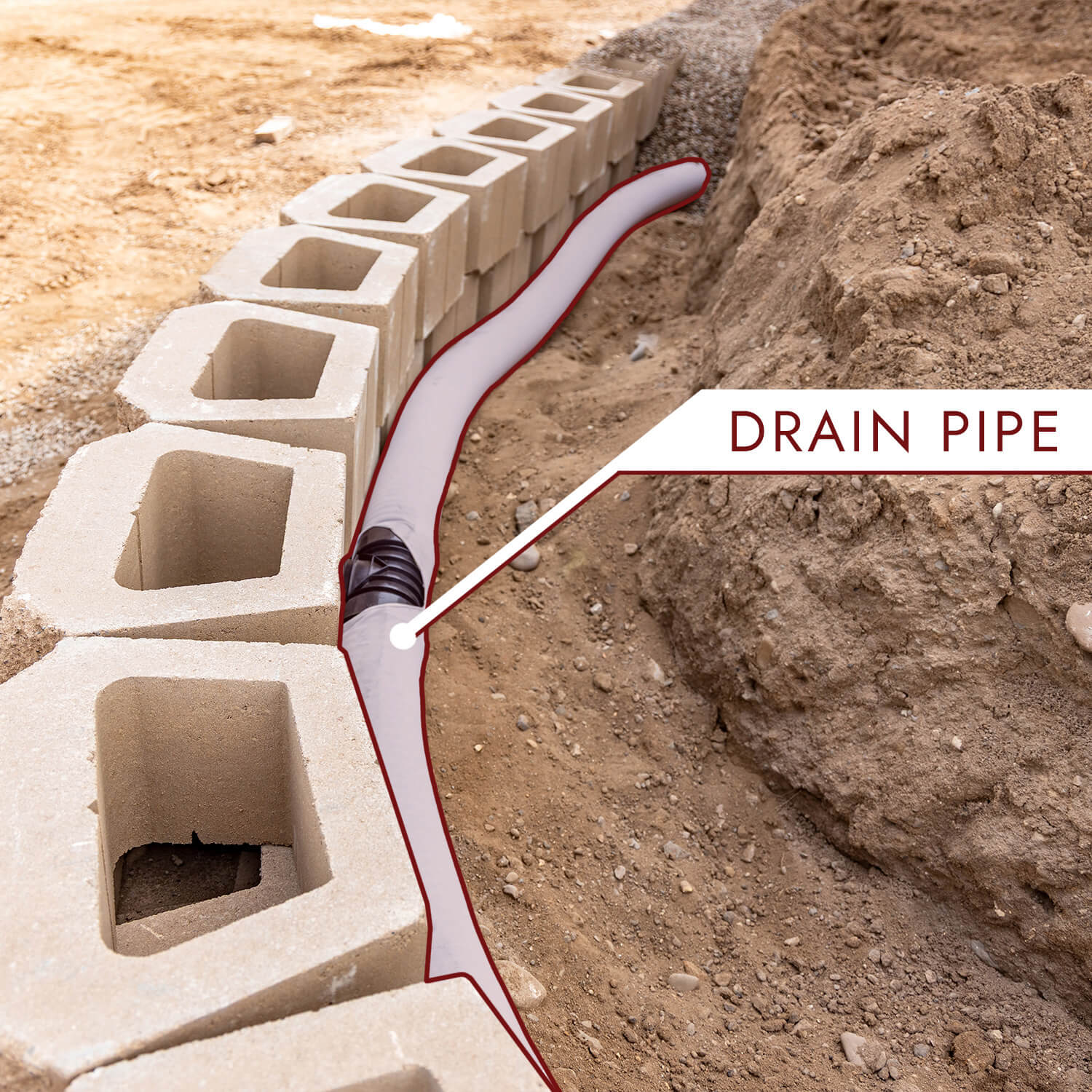
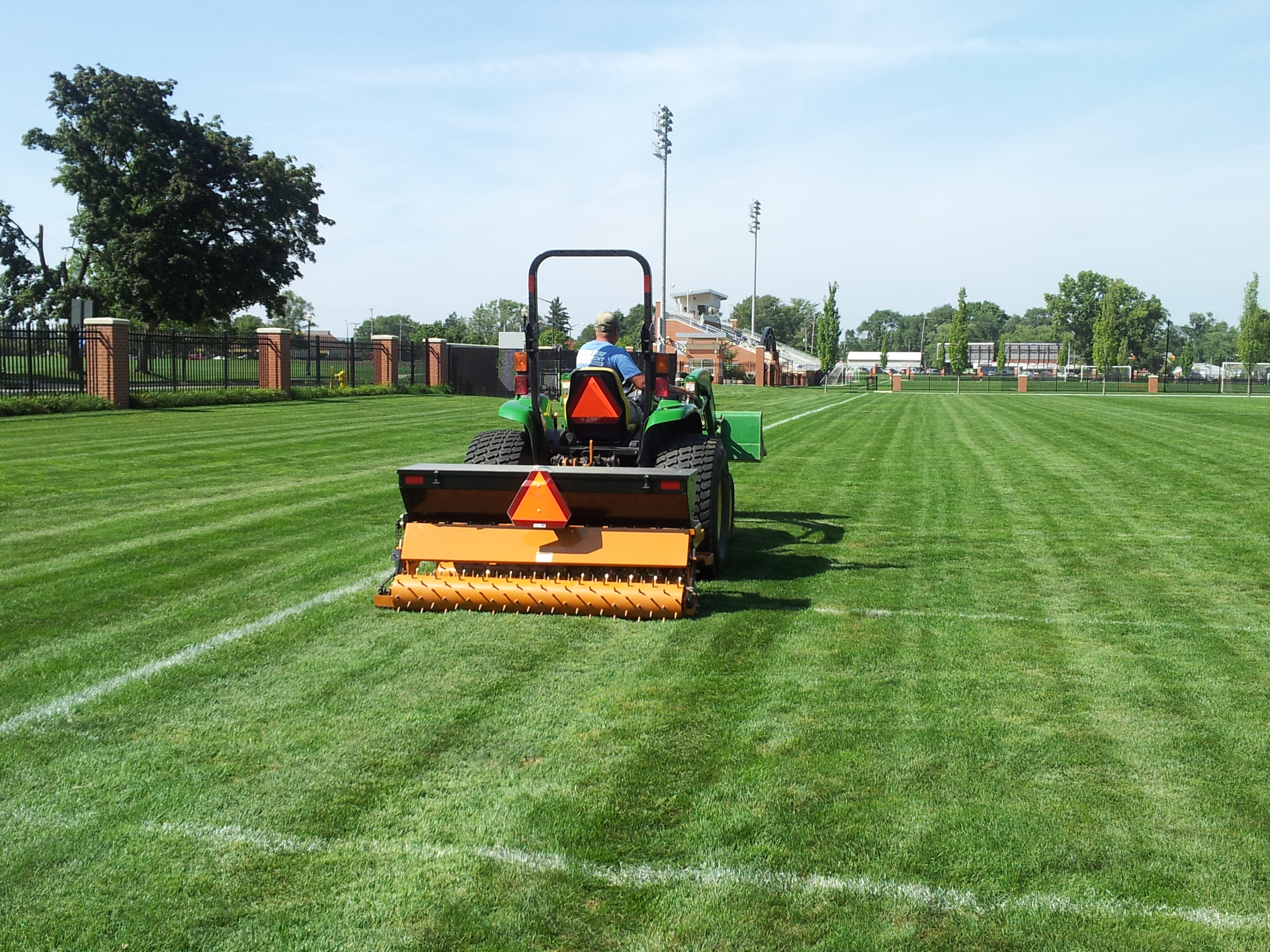
Artificial Turf Installation in Kingwood, TX and the surrounding northeast Houston market is not a straightforward surface swap. The combination of dense pine and oak canopy in neighborhoods like Forest Cove, Trailwood, and Roman Forest, the expansive Beaumont and Montgomery County clay soils that underpin this region, and the Lake Houston watershed drainage environment that Harvey made viscerally relevant to every homeowner in the corridor — all of those factors must be built into an installation plan before the first shovel goes in the ground. Artificial Grass of Kingwood approaches every full-property turf conversion with a site-specific planning phase that addresses the three variables most likely to determine whether the installation performs well at year five or starts showing problems at year two. First, drainage: we assess the parcel's position relative to Bear Branch, the Lake Houston tributary network, Greens Bayou, or whatever drainage path governs that specific site, and we design a base drainage system that works with the local watershed rather than against it. Second, root systems: under the Kingwood Livable Forest canopy and in the timber-belt communities of Roman Forest and Huffman, large loblolly pines and water oaks have lateral root networks that sit within the top six to eight inches of soil — the same range where base material needs to be placed. We map those root zones and develop an excavation plan that protects root integrity while establishing the base profile the turf system needs. Third, base compaction for clay soil: the Beaumont and Montgomery County clay profiles in this region have a pronounced shrink-swell cycle. A base compacted without accounting for that cycle will transmit clay-movement stress to the surface — showing up as buckling, seam separation, or edge lifting that gets worse each year. We calibrate aggregate sizing and compaction density to allow the base to flex predictably through the clay's seasonal movement. The actual installation sequence — turf rolls, seaming, infill application, grooming, and edge detail — follows the base work and is executed with the same attention to detail that the base preparation demands. Seam placement is planned to avoid visible joint lines from the primary viewing angles. Infill is selected based on the yard's use profile: pet yards get drainage-optimized thermoplastic polyolefin; putting greens get angular sand; family recreation areas get a silica-sand and rubber blend calibrated to the fiber pile height. Edge transitions to concrete, pavers, landscape beds, and fence lines are detailed with buried bender board or aluminum edging based on the specific transition geometry.