
Introduction
Artificial Grass of Kingwood installs turf in Spring, TX with Cypresswood corridor root-aware base preparation, creek-drainage-aware outlet design, and clay-profile compaction matched to north Harris County conditions.
Loading content...
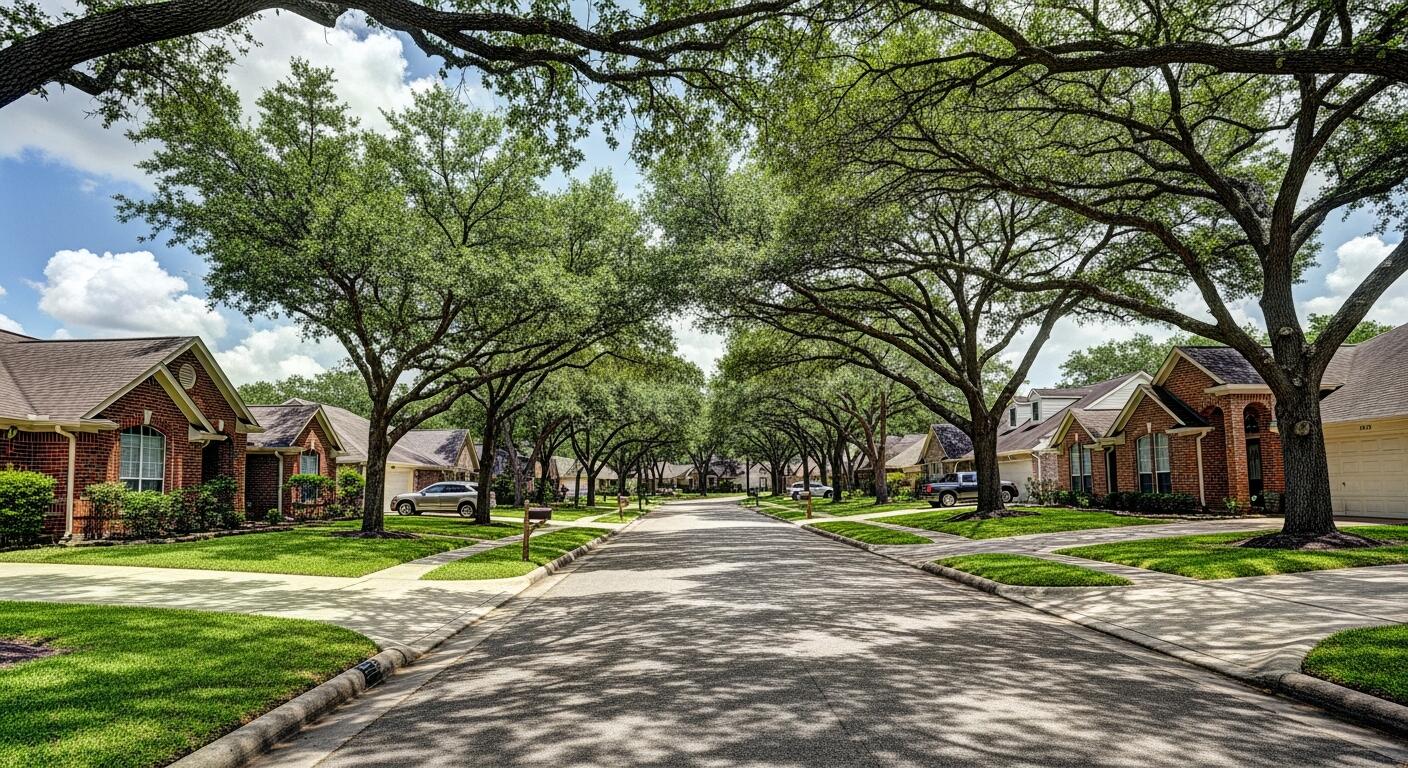
Cypresswood corridor, north Harris County clay, and Spring ISD neighborhoods — turf built for established family yards.
Spring, TX encompasses a broad north Harris County geography that extends from the established Cypresswood Drive corridor in the east to the development belts approaching Klein and The Woodlands to the north. The community represents a transition zone in both soil profile and urban character — older established neighborhoods near Cypresswood Dr and Spring Cypress Road have mature trees, developed clay soil profiles, and homeowners who have watched natural grass struggle under canopy cover for a decade or more. Newer development sections north of Spring toward the Tomball Parkway and US-249 interchange have younger soils, less canopy, and a different set of drainage concerns driven by rapid subdivision build-out. Artificial Grass of Kingwood serves both sections, and we approach the Cypresswood corridor with the same canopy-aware root-mapping methods we developed for Kingwood proper. Many Spring properties along and adjacent to the Little Cypress Creek corridor share drainage characteristics with Kingwood's Bear Branch watershed — they drain toward waterways that ultimately contribute to the Lake Houston watershed system. That drainage lineage means Spring installations, particularly those in lower-lying sections near the creek corridors, require the same watershed-position thinking we apply to Huffman and Walden properties. Spring's north Harris County soil is a mix of the heavy Beaumont clay found in the Humble area and a lighter sandy clay variant that appears in the sections built on former agricultural land between Spring and Tomball. The Beaumont clay sections — typically in the older, more established parts of Spring — require the full shrink-swell compaction protocol we use in the Humble core. The sandy clay sections drain better but are more susceptible to base shifting if compaction is not done with the correct aggregate sizing for that soil type. Spring ISD school zones are a major scheduling driver in this market. Spring families with children are consistent summer customers, and we see heavy demand from the Cypresswood and Spring Cypress school zones in June and July. Early booking is essential for those families.
Artificial Grass of Kingwood installs turf in Spring, TX with Cypresswood corridor root-aware base preparation, creek-drainage-aware outlet design, and clay-profile compaction matched to north Harris County conditions.
Mature canopy and root systems in the Cypresswood and Spring Cypress corridor, Little Cypress Creek watershed drainage sensitivity, Beaumont clay shrink-swell in older sections, sandy clay shifting in newer agricultural-land developments, and Spring ISD summer scheduling demand.
Root-flare mapping in canopy corridors, creek-watershed drainage outlet design, clay-profile compaction protocol by neighborhood, aggregate sizing calibration for sandy clay sections, and early-season scheduling for Spring ISD families.
Usable yards in Spring's Cypresswood corridor under established tree canopy, drainage-correct base performance through north Harris County wet-dry cycles, and a surface ready before the Spring ISD school year.
Canopy assessment and root-flare survey for Cypresswood properties, watershed drainage classification, soil type identification, base depth and compaction calibration, turf product selection, layout, infill, drainage test, and close-out walk.
Spring installations are scheduled from our Kingwood base on a north Harris County route that covers the Cypresswood corridor, Spring Cypress neighborhoods, and the development belt toward Tomball Parkway.
Spring's range from established Cypresswood corridor canopy neighborhoods to newer Sandy Clay development sections requires distinct approaches to root management, drainage, and base preparation.
Older Spring neighborhoods along and adjacent to Cypresswood Drive with mature trees, established root systems, and natural grass that has thinned significantly under the canopy.
Homes near the Little Cypress Creek and associated drainage channels where watershed position determines drainage outlet design and base system selection.
Spring ISD school-zone homes in newer north Spring subdivisions where family outdoor use, pet-friendliness, and summer installation timing are the primary planning priorities.
Canopy density in the Cypresswood corridor, Little Cypress Creek watershed drainage, and the soil transition from Beaumont clay to sandy clay create Spring's key installation variables.
Established Spring neighborhoods along Cypresswood Drive have tree canopy that reduces sun exposure significantly and creates root competition in the top six to eight inches of soil. Root mapping before base preparation is standard on those properties.
Properties that drain toward the Little Cypress Creek system require drainage outlet design that moves surface water toward existing channels rather than retaining it beneath the turf base.
Older Spring sections have heavy Beaumont clay; newer north Spring developments often have a lighter sandy clay on former agricultural land. We identify the soil type before calibrating base compaction and aggregate sizing.
Spring's client base includes established-neighborhood homeowners dealing with canopy-driven turf loss, creek-adjacent homeowners with drainage sensitivity, and Spring ISD family households targeting summer installations.
Long-term Spring residents in established neighborhoods where natural grass has thinned under mature tree canopy and root competition.
Spring property owners near the Little Cypress Creek corridor who want a yard surface that handles drainage events without retaining water near the creek system.
Families with school-age children in Spring's school-zone neighborhoods who want a completed, usable backyard before August.
Spring residential installations run two to three days for standard properties. Cypresswood corridor properties with root mapping and canopy-appropriate product selection run three to four days. Spring ISD families targeting summer completion should schedule contact in April or May for June-July slots. We conduct a soil classification and drainage assessment before confirming any Spring project timeline.
Artificial Grass of Kingwood serves Spring, TX and the north Harris County corridor including Kingwood, Humble, The Woodlands, and Conroe.
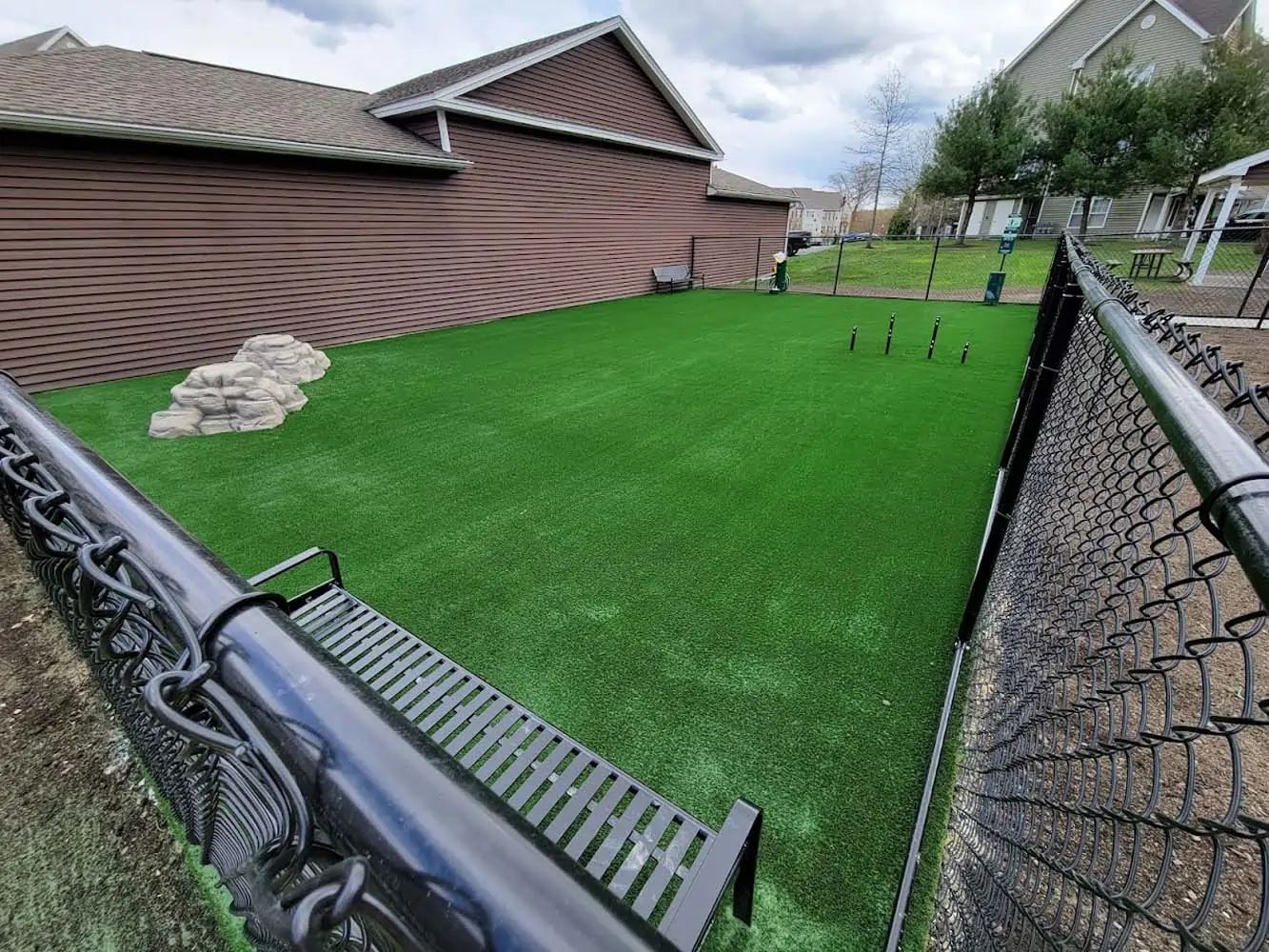
Full-property turf in Spring with Cypresswood corridor canopy planning and north Harris County clay base preparation.
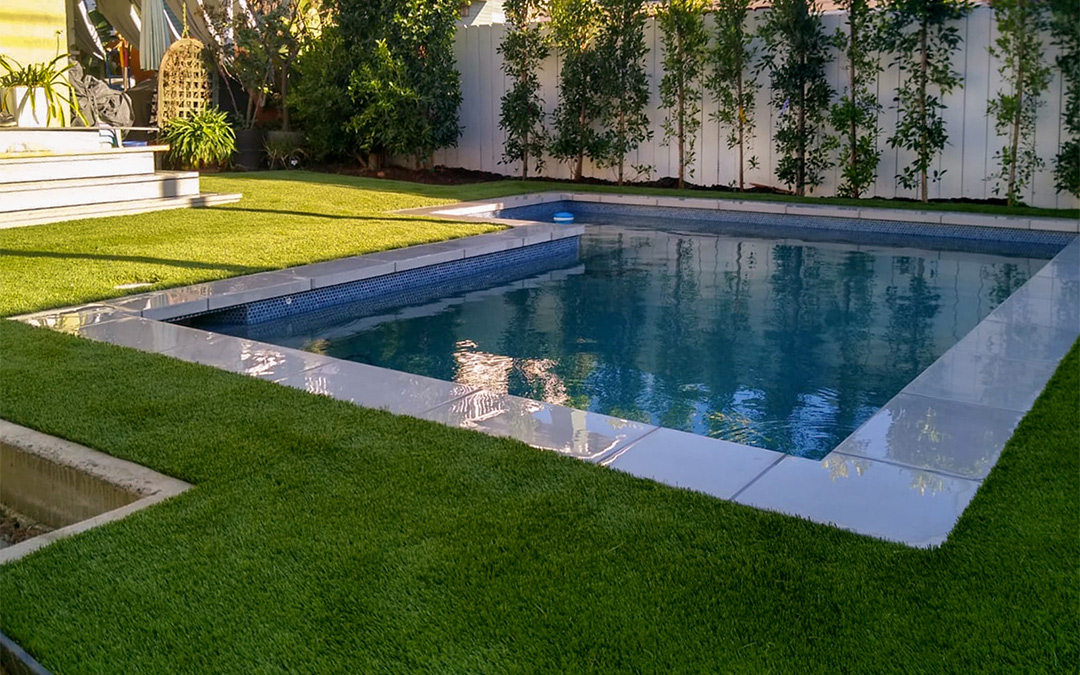
Backyard turf for Spring homes along the Cypresswood corridor and in Spring ISD school-zone neighborhoods.
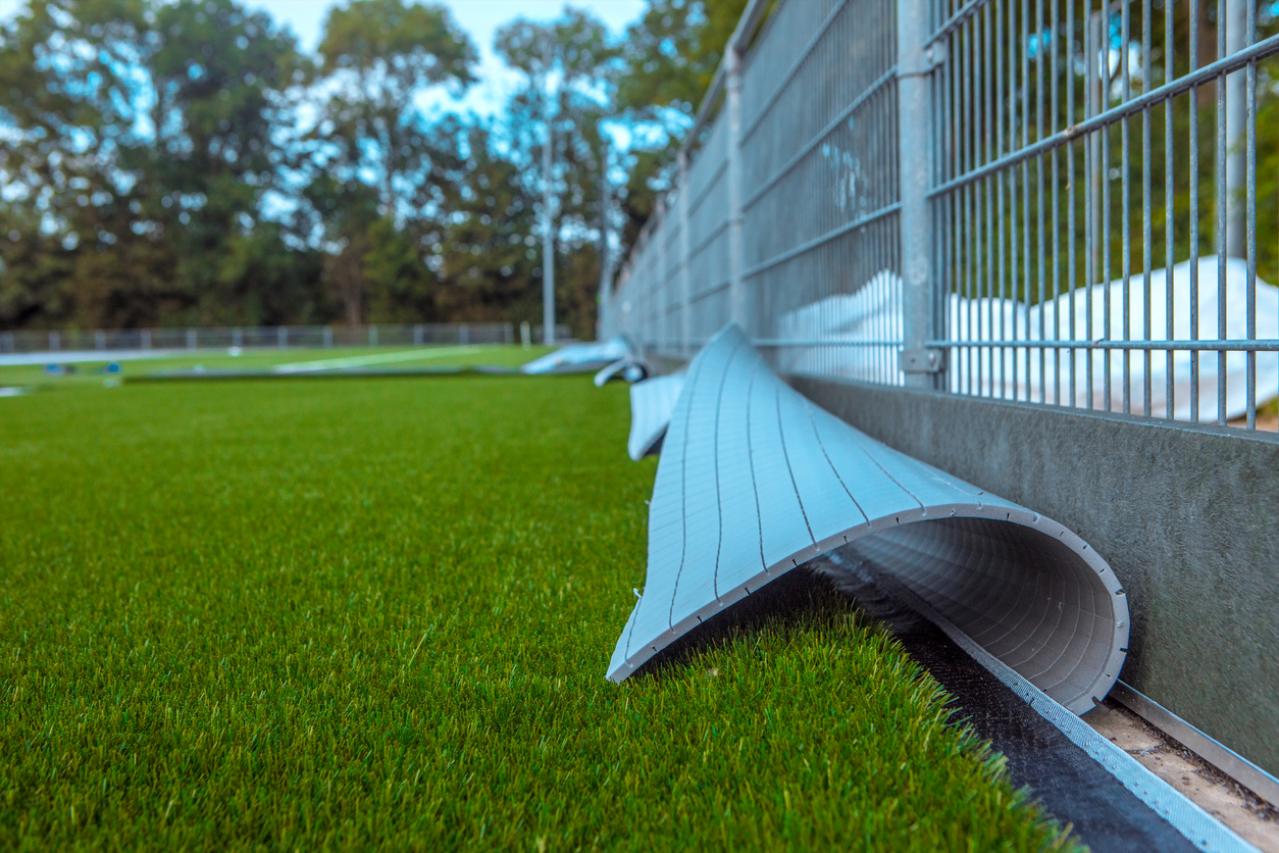
Commercial turf for Spring businesses along Spring Cypress Road and the north Harris County commercial corridors.

Drainage-forward pet turf for Spring residential yards with clay-profile base management.
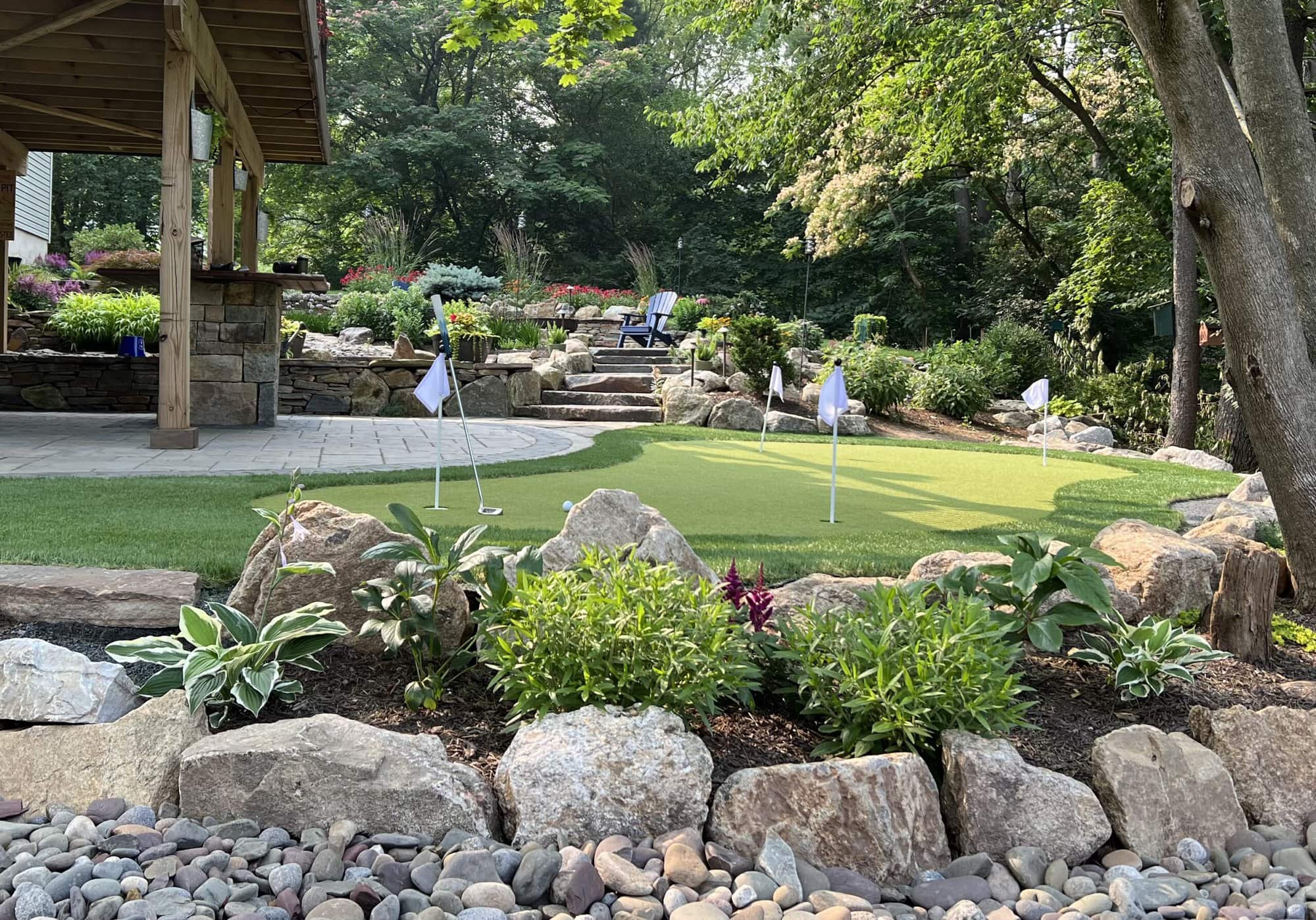
Custom putting surfaces for Spring residential properties with drainage-correct base and shade-appropriate fiber selection.
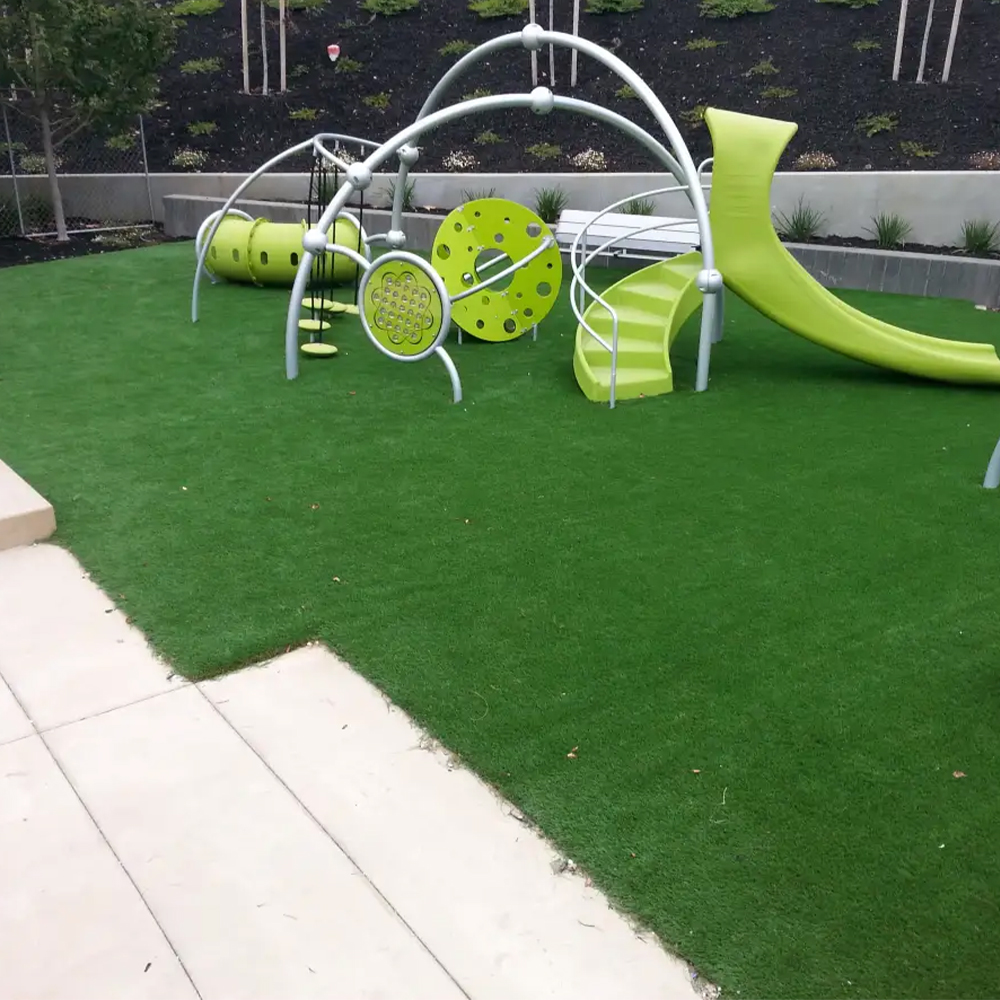
Safety-rated turf for Spring ISD school campuses and community recreation areas in north Harris County.
We map root flares before any mechanical excavation, hand-dig within the root zone, install a breathable root-barrier membrane, and compact the base in a manner that bridges root zones. We also select shade-appropriate turf products with lower pile height for sections receiving less than four hours of direct sun.
Yes. We design drainage outlets to direct surface runoff toward existing channels rather than retaining it beneath the base. For flood-sensitive creek-adjacent properties, the base system prioritizes rapid pass-through over any retention.
Older Spring sections near Cypresswood Drive have heavy Beaumont clay; newer sections on former agricultural land may have a lighter sandy clay. We identify the soil type during the site walk and calibrate base compaction density and aggregate sizing accordingly.
April or May for June-July slots. Summer demand in the Spring ISD zone fills the same pattern as the rest of the northeast Houston school-zone market.
Yes. We install playground and athletic turf at school campuses and community recreation areas in the Spring ISD zone with appropriate documentation for facility requirements.
Send project details and timeline information to get route scheduling options for this location.
Call